Al-Ahliyya Amman University
30 July 2026
Al-Ahliyya Amman University Signs Memorandum of Understanding with the Economic and Social Council and Hosts the Ninth Meeting of Its Sectoral Groups
The Economic and Social Council held the ninth meeting of its sectoral groups in Al-Balqa Governorate, hosting the meeting at Al-Ahliyya Amman University. The meeting was held as part of the Council’s efforts to strengthen national dialogue, consolidate the principle of partnership with various economic and social stakeholders, and gain insight into the realities and developmental needs of Jordan’s governorates, thereby contributing to the country’s economic modernization efforts.
The meeting was attended by members of the Economic and Social Council, Al-Balqa Governor Faisal Al-Masaeed, a number of members of the governorate’s executive body, representatives of the Executive Council and the Local Council, President of the Salt Chamber of Commerce Saad Al-Hayari, as well as a number of experts and academics from Al-Ahliyya Amman University and Al-Balqa Applied University, alongside representatives of various economic and social sectors in the governorate.
In his opening remarks, Chairman of the Economic and Social Council Dr. Musa Shtaiwi emphasized that holding the Council’s meetings in the governorates is consistent with its role as a national advisory institution and a national forum for dialogue on public policies and legislation within its mandate. He noted that this approach also reflects the Royal directives emphasizing the importance of field-based engagement and closer interaction with local communities.
Shtaiwi highlighted Al-Balqa Governorate’s significant competitive advantages across a number of vital sectors, including tourism, heritage, agriculture, and food security. He also noted the presence of educational institutions that contribute to supplying the national economy with qualified professionals, emphasizing the importance of leveraging these advantages to expand development opportunities and achieve the objectives of the Economic Modernization Vision.
Shtaiwi explained that, like other governorates, Al-Balqa faces a number of challenges that require innovative solutions. These include high unemployment rates among young people and graduates, the need to better align educational outcomes with labor market needs, support investment in productive sectors, and further develop the agricultural sector.
He stressed the importance of strengthening the link between local development plans and the objectives of the Economic Modernization Vision, advancing the tourism sector through integrated tourism routes, supporting smart agriculture and food processing, and investing in human capital to enable young people to keep pace with digital transformation and the jobs of the future.
For his part, Acting President of Al-Ahliyya Amman University Dr. Ahmad Hamdan emphasized the importance of hosting the meeting, which reflects the role of universities as centers of thought and knowledge and platforms for national dialogue. He noted that the University places great importance on cooperation with national institutions, particularly the Economic and Social Council, in a way that strengthens its role in serving the community and supporting comprehensive development.
Hamdan highlighted the University’s belief in the importance of partnerships between academic institutions and national bodies in addressing economic and social challenges by utilizing academic and research expertise, conducting studies, and developing training programmes that contribute to capacity building and preparing qualified professionals capable of meeting the evolving demands of the labor market.
He further affirmed the University’s commitment to supporting initiatives that promote dialogue on national priority issues and to leveraging academic expertise to provide practical solutions that contribute to achieving the Sustainable Development Goals.
The meeting’s programme included a panel discussion entitled “The Economic Reality in Al-Balqa Governorate and the Economic Modernization Vision,” moderated by Shtaiwi. The panel featured President of the Jordan and Amman Chambers of Industry Eng. Fathi Al-Jaghbir, Dean of the Faculty of Agriculture at Jordan University of Science and Technology Professor Dr. Anas Al-Nabulsi, and former Secretary-General of the Ministry of Tourism and Antiquities Issa Qamouh.
Al-Jaghbir emphasized the importance of strengthening the investment environment and supporting the industrial sector as one of the main drivers of economic growth. He highlighted the importance of developing industries based on local products, maximizing added value, and capitalizing on available investment opportunities in Al-Balqa Governorate, particularly in the Salt Industrial City.
Al-Nabulsi noted that Jordan’s food security indicators have shown significant improvement, reflecting the efforts made to strengthen the stability of the food sector. He stressed the importance of continuing to develop the agricultural sector by adopting modern technologies, improving production efficiency, strengthening agricultural value chains, and linking them with the food-processing industry.
Al-Nabulsi explained that the next phase requires greater focus on the quality of dietary patterns, alongside preserving the gains achieved in food security and strengthening the role of scientific research and innovation in developing sustainable solutions for the agricultural sector. Such efforts, he noted, would contribute to supporting the national economy and advancing development across the governorates.
For his part, Qamouh stressed the importance of repositioning Jordan as a tourism destination by shifting from mass tourism towards value-based tourism and high-quality experiences. He highlighted Al-Balqa Governorate’s diverse tourism, heritage, religious, and therapeutic attractions, emphasizing the need to develop integrated tourism routes and experiences that enhance the sector’s contribution to the national economy.
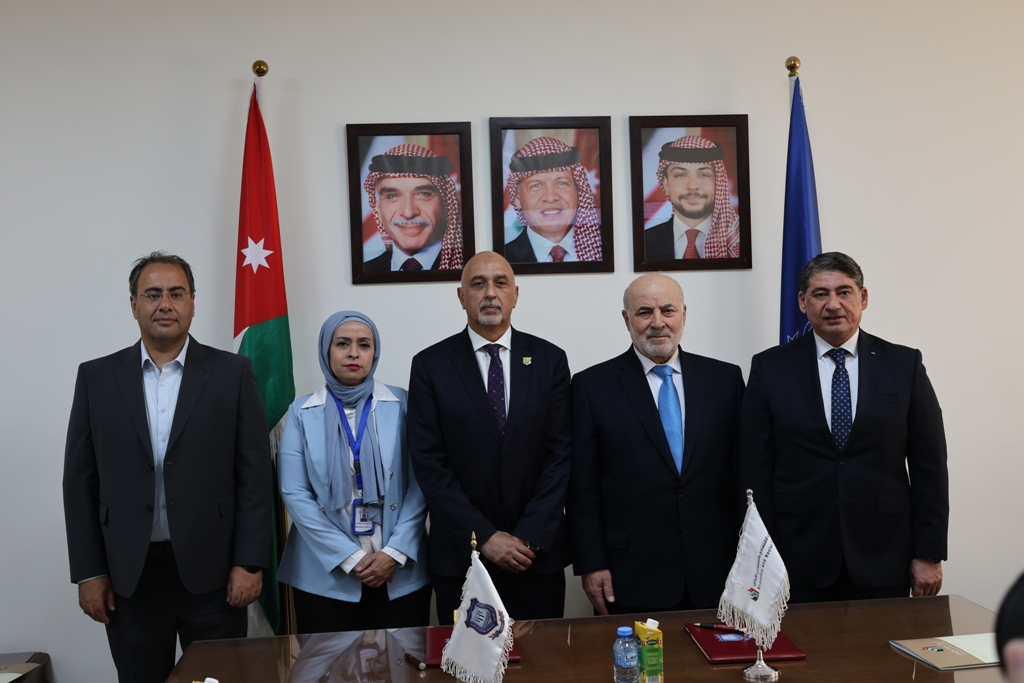
On the sidelines of the meeting, the Economic and Social Council and Al-Ahliyya Amman University signed a Memorandum of Understanding aimed at strengthening cooperation in the fields of education, scientific research, training, and community service. The agreement also provides for the implementation of joint studies and research, the organization of academic and dialogue events, and the exchange of expertise, in support of national development efforts.
The memorandum was signed on behalf of the Council by its Chairman, Dr. Musa Shtaiwi, and on behalf of Al-Ahliyya Amman University by Acting President Dr. Ahmad Hamdan. The signing was attended by Nazir Al-Awamleh, Secretary-General of the Economic and Social Council, and Dr. Mustafa Al-Atiyat, Dean of Student Affairs at Al-Ahliyya Amman University.
During the ninth meeting of its sectoral groups, the Council also discussed a number of items on its agenda, including follow-up on amendments to the draft amended regulations governing the Council, the formation of Council committees and monitoring their work, and the latest developments regarding several studies being conducted by the Council. These include a study on the state of unemployment in Ma’an Governorate and its Badia, a study of research centers at Jordanian universities, and a study on future human-resource needs in the Jordanian labor market in light of digital transformation and the jobs of the future. The Council also followed up on developments related to the study of the tourism sector and discussed a number of organizational matters related to the work of the Council and its committees.
Related Links:
Recent News
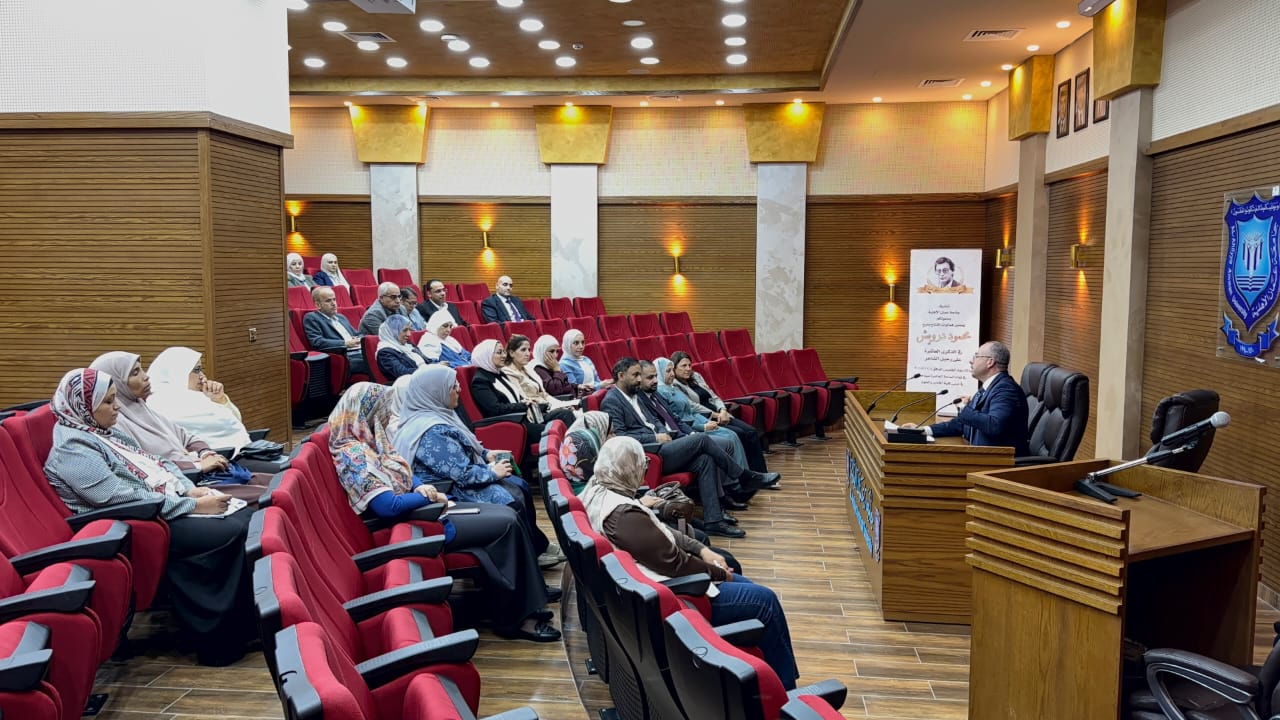
Orientation Meeting for Faculty and Administrative Staff at the Start of the 2026-2027 Academic Year
14 October 2026

Asian Gold for Al-Jaafari: Al-Ahliyya Amman University Champion Triumphs at Nagoya 2026
24 September 2026
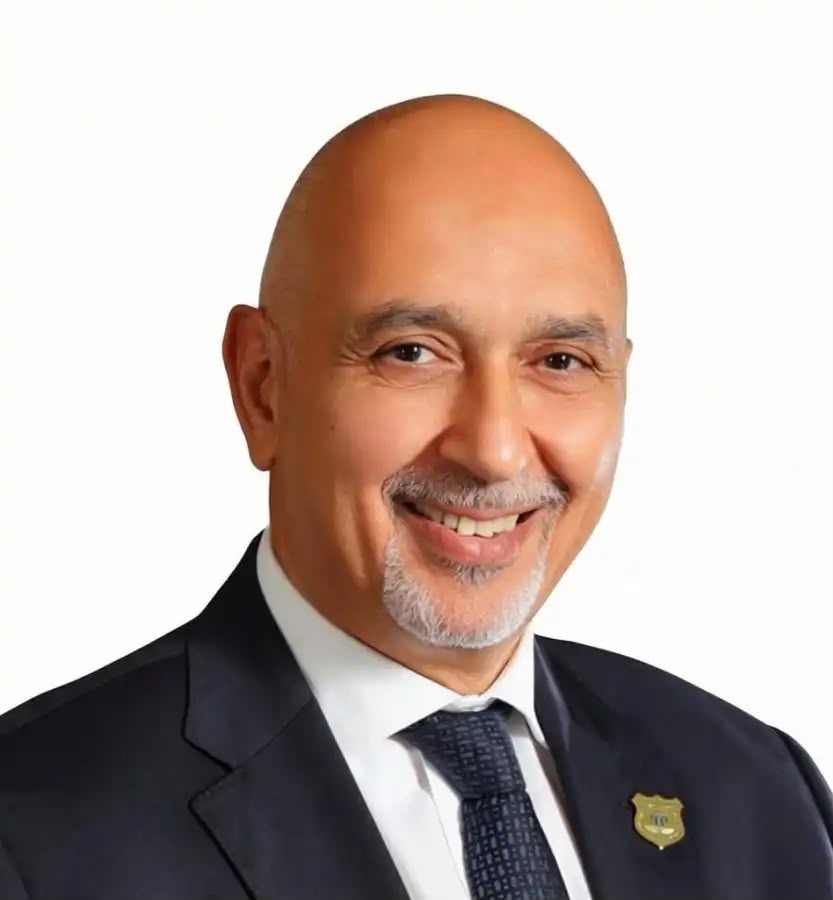
Approval of the Appointment of Prof. Dr. Ahmad Hamdan as President of Al-Ahliyya Amman University
23 September 2026
Related News
Orientation Meeting for Faculty and Administrative Staff at the Start of the 2026-2027 Academic Year
14 October 2026
Asian Gold for Al-Jaafari: Al-Ahliyya Amman University Champion Triumphs at Nagoya 2026
24 September 2026
Approval of the Appointment of Prof. Dr. Ahmad Hamdan as President of Al-Ahliyya Amman University
23 September 2026