088.2.4

Anti-Exploitation Policy

Policy commitment against forced labor, modern slavery, human trafficking, and child labor.

Executive Summary

Al-Ahliyya Amman University (AAU) maintains an uncompromising commitment to preventing all forms of exploitation, including forced labour, modern slavery, human trafficking, and child labour, through its institutional Anti-Forced Labour and Anti-Human Trafficking Policy. The policy ensures that all university operations, employment, contracting, outsourcing, and supply-chain processes are free from coercion, abuse, discrimination, or unethical labour practices.

This commitment extends to:
  • university employees (faculty, administrative, and technical),
  • outsourced workers (cleaning, security, transportation, maintenance),
  • contractors and suppliers,
  • visiting staff, interns, and trainees,
  • international staff and vulnerable groups.

AAU’s stance aligns with: ✔ SDG 8.7 (Eradicate forced labour, modern slavery, and human trafficking) ✔ SDG 5 (Gender Equality) ✔ SDG 10 (Reduced Inequalities) ✔ SDG 16 (Justice, Peace, and Strong Institutions) ✔ Jordanian Labour Law and National Anti-Trafficking Framework

Through strict compliance monitoring, supplier audits, employee training programs, anti-exploitation risk assessments, and transparent reporting, AAU guarantees a safe, ethical, and rights-based work environment for all individuals associated with the university.
Centers and Departments

01Human Resources and Institutional Development Unit

Ensures full implementation of the Anti-Forced Labour and Anti-Human Trafficking Policy, conducts employee verification checks, manages fair recruitment processes, and ensures contracts comply with ethical labour standards. HR also maintains grievance channels to report exploitation concerns confidentially.

02General Supplies and Services Department

Ensures contractors and outsourced labour comply with AAU’s anti-exploitation policies. The department applies the Supplier Labour Rights Compliance Review Procedure and supervises the enforcement of ethical labour standards among service providers, suppliers, and external contractors.

03Sustainability and International Ranking Center (SIRC)

SIRC oversees risk assessment, compliance monitoring, and verification under the Forced Labour and Human Trafficking Risk Assessment Procedure. It ensures transparency through public sustainability reporting and benchmarking with SDG 8 indicators.

04Al-Ahliyya Amman Center for Consultations and Psychological Care (CCPS)

Provides psychological support and confidential counselling for staff or students affected by workplace exploitation, coercion, or harassment. This ensures a safe and supportive environment for vulnerable individuals.

05Women Health Center (WHC)

Supports women and vulnerable groups who may be at higher risk of exploitation, offering specialized support services, rights-awareness programs, and early-intervention guidance.

06Global Engagement Center (GEC)

Ensures that international staff, visiting academics, and exchange participants are protected from exploitation, including unfair contracts, coercive working conditions, or unsafe environments.

Activities

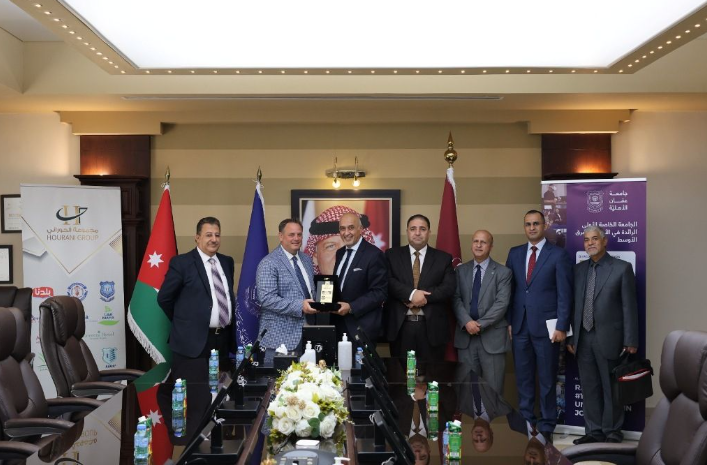
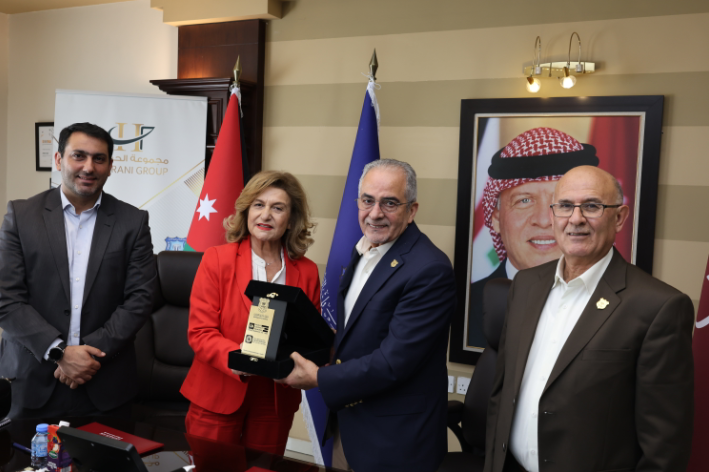
01MoU with The Human Rights Organization “Rain Collective”

This strategic partnership strengthens AAU’s capacity to combat exploitation, abuse, and human trafficking. It includes training programs on:
  • human rights protection
  • anti-trafficking awareness
  • ethics and workplace dignity
  • early identification of exploitation risks

02MoU with Al-Hussein Society for Training and Inclusion

Promotes protection of vulnerable groups, including individuals with disabilities, ensuring equal rights, safe working conditions, and additional safeguards against labour exploitation.

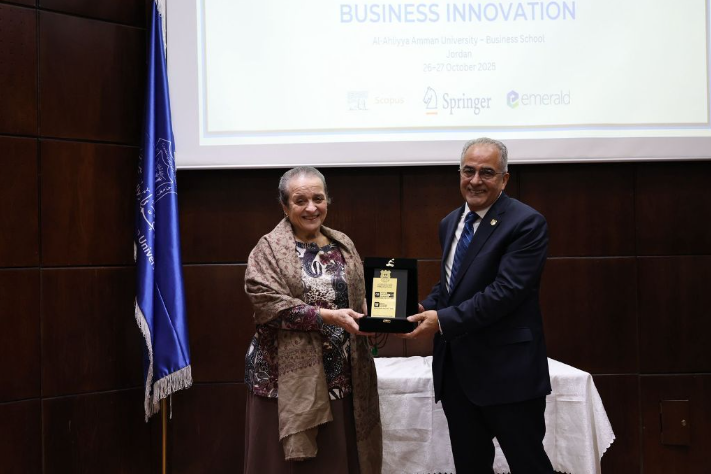
03AAU Digital Transformation Conference (ICDFB 2025)

Sessions at this conference addressed digital ethics, labour rights in the age of automation, and accountability mechanisms reinforcing AAU’s institutional culture of anti-exploitation and transparency.

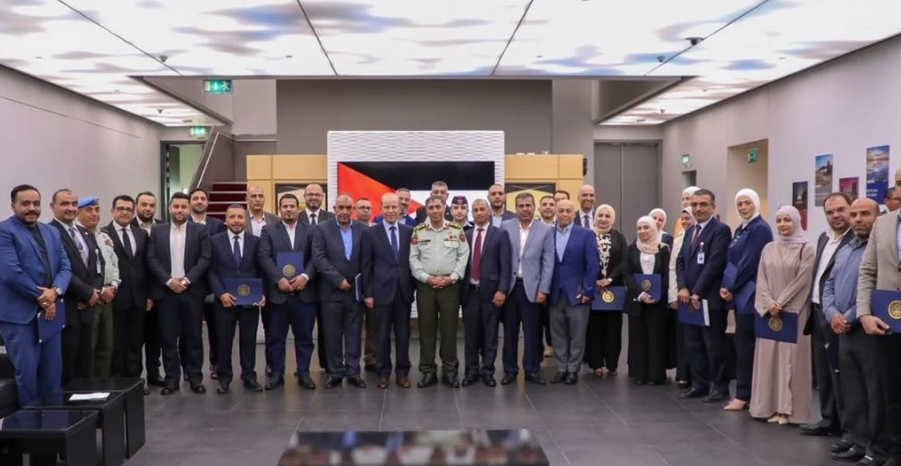
04AAU Business Faculty – Crisis Management Training

Training programs included components on ethical decision-making, protection of vulnerable staff, and equitable crisis response supporting safe working environments and preventing coercion or abuse.

05Hourani e-Learning Center (HEC) – Open Awareness Content

HEC provides accessible modules and online trainings that include:
  • workplace ethics
  • rights-based awareness
  • reporting and grievance procedures
This broadens ethical awareness and safeguards against exploitation.

Impact Evaluation & Development Plan

Performance Evaluation

  • Structured Assessment Tools
  1. AAU evaluates awareness of labour rights, human dignity, and anti-exploitation principles through:
    • sustainability literacy surveys,
    • competency-based rubrics,
    • reflective learning assessments,
    • embedded SDG-related evaluations.
    These tools address human rights, ethical employment, labour protections, and fair treatment.
    • Annual Assessment Cycles
    Institution-wide assessments measure understanding of forced labour risks, trafficking indicators, and exploitation prevention annually across all faculties and staff categories.
    • Quantitative & Qualitative Indicators
    Indicators include:
    • scenario-based questions on forced labour and exploitation,
    • Likert-scale measures of safety and fairness,
    • open-ended reflections on equity, human dignity, and ethical labour practices.
    • Integration with Curriculum
    Anti-exploitation themes are embedded into business ethics, law, HRM, nursing, psychology, and social science courses. Capstone courses include components on responsible employment and labour justice.
    • Transparency and Public Reporting
    All findings are validated by SIRC and published in:
    • AAU Sustainability Report
    • SDG8 Executive Sustainability Report
    • AAU Sustainability Portal

    Development Actions

  2. Action 1: Forced Labour & Trafficking Awareness Survey Annual mandatory survey for all staff. Target: ≥ 70% participation. Action 2: Ethical Employment Verification System Verification of all employee and contractor contracts to eliminate exploitation risks. Target: System operational by 2026. Action 3: Anti-Trafficking & Exploitation Training Mandatory training program for all employees and outsourced workers. Target: 2025–2027. Action 4: Ethical Supply Chain Dashboard Public dashboard tracking supplier compliance, labour audits, and risk assessments. Target: Launch in 2026. Action 5: Regional Benchmarking Benchmark AAU’s anti-exploitation practices with leading MENA universities. Target: Annual published report.

    Benchmarking & Best Practice

  3. Benchmarking institutions:
    • University of British Columbia
    • University of Cambridge
    • University of Gothenburg
    Best Practices Adopted
    • supplier ethical audits,
    • anti-trafficking risk assessment systems,
    • human-rights–based training programs,
    • transparent reporting dashboards,
    • inclusive grievance mechanisms.
    Localization to Jordan AAU aligns with:
    • Anti-Forced Labour & Human Trafficking Policy
    • Forced Labour and Human Trafficking Risk Assessment Procedure
    • Jordan Labour Law
    • Jordan National Anti-Trafficking Strategy
    Institutional Integration Summary AAU ensures the Anti-Exploitation Policy is integrated across all operational levels HR systems, contractor management, supply-chain governance, academic training, staff development, and sustainability reporting. Through strict compliance mechanisms, ethical employment standards, partnerships with human-rights organizations, and ongoing awareness programs, AAU protects all workers from exploitation and supports a safe, ethical, and rights-based institutional environment aligned with SDG 8.7, SDG 5, SDG 10, and SDG 16.
View the 2026 edition of this pageRES.AM_ V.01_29 Oct 2026

Contact Office On

  • Email: sdo@ammanu.edu.jo
  • Phone: +962 5 3500211
  • Extension: 2060
  • Address: Al-Ahliyya Amman University / Amman-Jordan- Al Salt Road / Zip-Code (Postal Address): (19328)
  • Fax: +962 6 5336104

Al-Ahliyya Amman University

Email: Public@ammanu.edu.jo


© Copyright Al-Ahliyya Amman University. Amman, Jordan 19111.