Contact Office On
Energy Efficiency Plan
Comprehensive plan to reduce total energy consumption across university operations.
Executive Summary
Al-Ahliyya Amman University (AAU) has developed an institution-wide Energy Efficiency Plan designed to systematically reduce energy use across all campus operations. The plan is grounded in the University’s sustainability policies, renewable-energy strategy, and smart-building standards. Its core objective is to enhance operational efficiency, modernize infrastructure, and ensure that every facility functions in alignment with SDG7 – Affordable and Clean Energy.
The plan covers building design, facility upgrades, lighting systems, HVAC optimization, water-use efficiency, equipment selection, behavioral awareness, and digital transformation. It is implemented through coordinated efforts between the Sustainability Center, Engineering Department, Architecture Faculty, Computer Center, and other administrative and academic units.
This comprehensive framework ensures that AAU continuously improves its energy performance, supports carbon neutrality, and promotes an environmentally responsible academic environment.
Centers and Departments
02Engineering and Maintenance Department
03Computer Center
04Faculty of Architecture and Design
05Hourani Center for Applied Scientific Research (HCASR)
Activities
01Smart Building Implementation Initiative
02Sustainable Architectural Design Workshop – “Women on the Green Path”
03Campus-Wide LED Lighting Transformation
04Renewable Energy Integration Programs
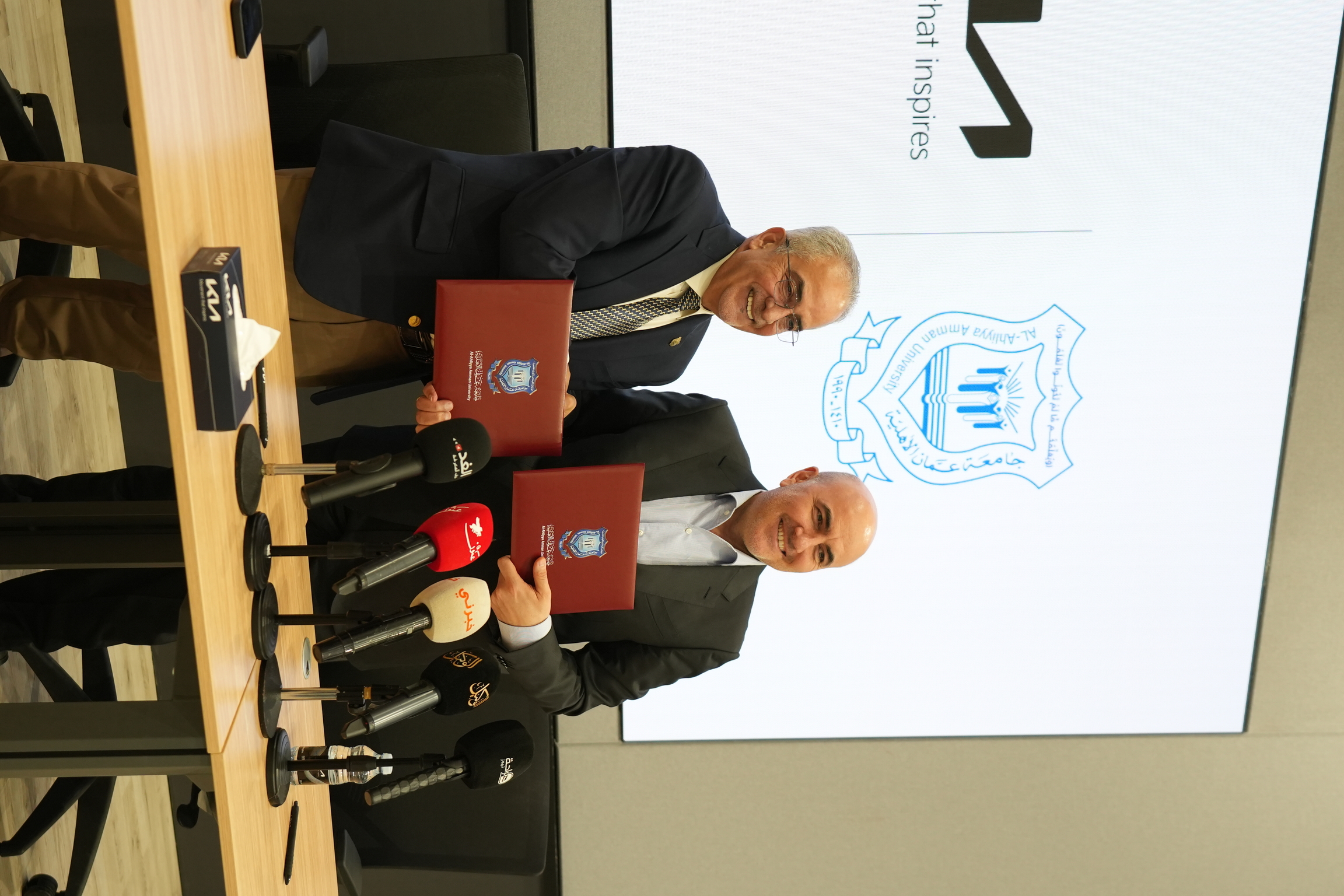
05Educational Collaboration with KIA Jordan – EV Systems
Impact Evaluation & Development Plan
Performance Evaluation
- The Energy Efficiency Plan is formally documented, publicly accessible, and operational across all campus units.
- Smart-building upgrades enhance ventilation, lighting control, thermal comfort, and systems automation, improving efficiency across facilities.
- Lighting systems, HVAC technologies, and digital monitoring tools support consistent reductions in energy demand.
- Renewable-energy integration reduces the need for grid electricity and enhances operational resilience.
- Sustainable mobility initiatives complement energy-saving actions across campus.
- Interdepartmental collaboration ensures that decision-making incorporates engineering, architectural, sustainability, and digital perspectives.
Development Actions
- Action 1: Digitize all energy-use monitoring processes through integrated dashboards and automated alerts. Action 2: Publish an annual Energy Efficiency Performance Report documenting improvements, initiatives, and campus-wide progress. Action 3: Conduct periodic training workshops on efficient building operation, sustainable design, and clean-energy technologies. Action 4: Create a campus-wide communication platform enabling users to submit energy-saving suggestions and report inefficiencies. Action 5: Develop formal indicators to evaluate lighting performance, HVAC efficiency, building thermal behavior, and user awareness.
Benchmarking & Best Practice
- Adopted Global Best Practices
- Alignment with international energy-efficiency standards and sustainable building frameworks.• Integration of smart technologies and environmentally responsive design guided by global best practices.
- Compliance with national building and energy regulations and alignment with Jordan’s clean-energy and sustainability strategies.• Consideration of local climatic conditions and infrastructure requirements when designing efficiency measures.