1717.2.5

NGO SDG Partnerships

Collaboration with NGOs to address and advance specific Sustainable Development Goals.

Introduction

Al-Ahliyya Amman University (AAU) actively collaborates with national and international non-governmental organizations (NGOs) to co-design, implement, and scale community-based initiatives that directly advance the United Nations Sustainable Development Goals (SDGs). Through the Sustainability & International Ranking Center, the Global Engagement Center, the Faculty of Nursing, and multiple academic units, AAU builds long-term partnerships with NGOs working in the fields of health, social inclusion, women’s empowerment, disability services, environmental protection, and community well-being. Between 2023 and 2025, AAU partnered with more than 30 NGOs and civil-society organizations, contributing to impactful projects aligned with SDG 3 (Health), SDG 4 (Quality Education), SDG 5 (Gender Equality), SDG 7 (Affordable and Clean Energy), SDG 10 (Reduced Inequalities), SDG 13 (Climate Action), and SDG 17 (Partnerships for the Goals). Each collaboration emphasizes AAU’s principle of “knowledge transfer for social impact,” ensuring that academic expertise, student engagement, and research insights translate into measurable community outcomes that support Jordan’s progress toward the 2030 Agenda.

Centers and Departments

01Sustainability and International Ranking Center

The Sustainability and International Ranking Center (SIRC) coordinates all NGO-related sustainability initiatives across AAU. It manages data collection, project evaluation, and SDG impact reporting for partnerships with national and international NGOs. SIRC ensures that each collaboration is documented through measurable indicators, aligning outcomes with UN SDG targets and national development priorities. Through policy frameworks and evidence management, the Center guarantees transparency, accountability, and long-term continuity of all NGO SDG projects.
02Global Engagement Center

The Global Engagement Center strengthens AAU’s partnerships with international NGOs, civil-society organizations, and intergovernmental networks. It facilitates MoUs, coordinates community-based research, and manages cross-border sustainability projects that advance shared SDG targets. The Center also supports NGO capacity building through seminars, policy dialogues, and joint monitoring programs aligned with SDG 17 (Partnerships for the Goals).

03Faculty of Nursing

The Faculty of Nursing plays a leading role in community-oriented partnerships with health NGOs and associations. Through collaborative campaigns – such as Alzheimer’s awareness, Pink October, and maternal-health initiatives – the Faculty integrates education, research, and outreach to improve community health. These partnerships promote capacity building, preventive healthcare, and social responsibility, advancing SDG 3 (Good Health and Well-Being) and SDG 17 (Partnerships).

04Women’s Health Center

The Women’s Health Center collaborates with NGOs and community organizations to deliver health campaigns, screening programs, and empowerment workshops. Its projects – such as “Your Strength Begins with Awareness” and Pink October – demonstrate sustained engagement with civil-society groups addressing women’s health and rights. The Center’s partnerships embody AAU’s commitment to SDG 3 (Good Health), SDG 5 (Gender Equality), and SDG 17 (Partnerships for the Goals).

05Deanship of Student Affairs

The Deanship of Student Affairs connects students with NGOs through volunteer programs, social-impact clubs, and community-service initiatives. It nurtures civic engagement and trains students to become sustainability ambassadors who collaborate with NGOs on environmental, health, and education projects. This engagement reinforces youth participation and partnership culture, directly contributing to SDG 4 (Quality Education) and SDG 17 (Partnerships).

06Center for Innovation and Entrepreneurship

The Center for Innovation and Entrepreneurship collaborates with NGOs and development agencies to promote social entrepreneurship and youth empowerment. By linking students and innovators with non-profit organizations, the Center supports the creation of sustainable projects that deliver community and economic impact. These partnerships advance SDG 8 (Decent Work and Economic Growth) and SDG 17 (Partnerships for the Goals).

07Hourani Center for Applied Scientific Research

The Hourani Center for Applied Scientific Research partners with NGOs and environmental organizations to conduct applied studies on climate action, renewable energy, and pollution reduction. Its collaborative projects provide research evidence that supports NGO initiatives and national sustainability strategies – enhancing collective SDG impact.

Activities

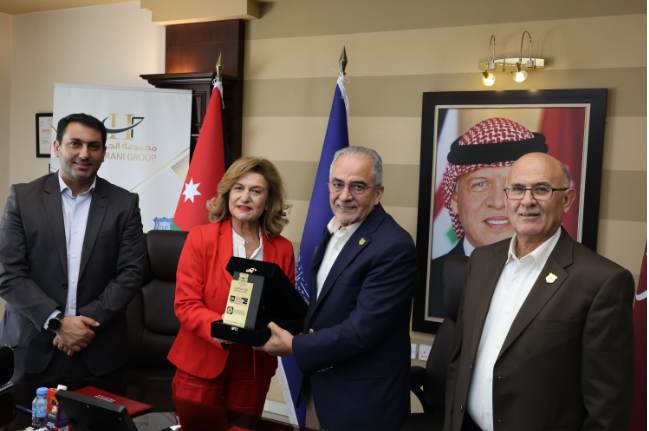
01Memorandum of Understanding with Al-Hussein Society for Training and Inclusion

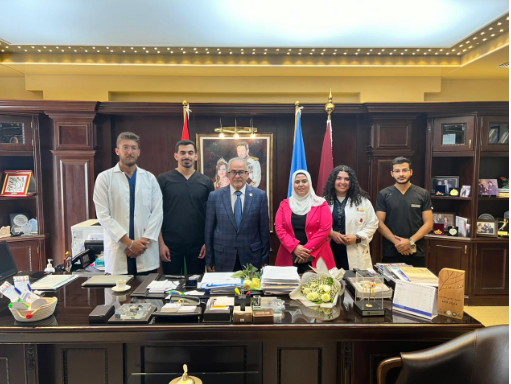
AAU signed an MoU with Al-Hussein Society, a national NGO serving people with disabilities, to advance inclusive education and accessibility research. The partnership focuses on training, data sharing, and awareness programs that promote equality and empowerment under SDG 4 (Quality Education), SDG 10 (Reduced Inequalities), and SDG 17 (Partnerships for the Goals).

02Nabd Club – Health Awareness and Community Well-Being Campaigns

In collaboration with Nabd Club, AAU’s Nursing Department organized a series of health-awareness campaigns under the theme “Health Pulse from the Heart of Nursing.” The partnership provided free health services, medical check-ups, and educational brochures to students and local communities – directly contributing to SDG 3 (Good Health and Well-Being) and SDG 17 (Partnerships).

03Faculty of Nursing Participates in World Alzheimer’s Day

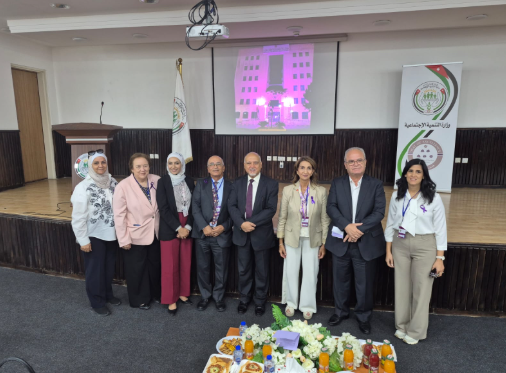
In collaboration with local NGOs and health organizations, AAU’s Faculty of Nursing participated in World Alzheimer’s Day, conducting awareness sessions and screenings to support community understanding of neurological health. The event highlighted joint community engagement between AAU and civil-society institutions, promoting shared responsibility for health education under SDG 3 and SDG 17.

04Clinical Workshop: Developmental Supportive Care for High-Risk Newborns

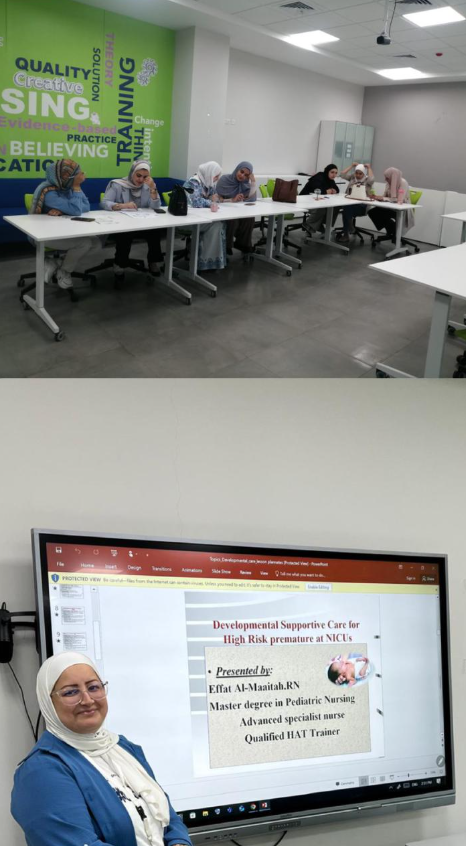
AAU’s Faculty of Nursing organized a clinical workshop in cooperation with healthcare NGOs to provide specialized training on developmental supportive care for high-risk newborns. This workshop served as a platform for knowledge sharing between academia and non-governmental health partners, reinforcing capacity building and SDG 3 (Good Health and Well-being).

05Women’s Health Center and Faculty of Nursing Participation in Pink October at Zai Health Center

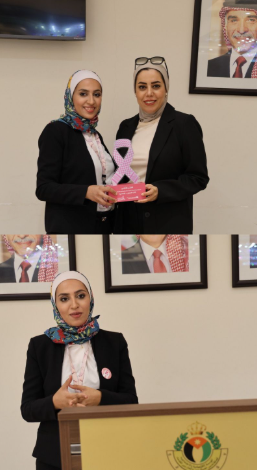
AAU’s Women’s Health Center and Faculty of Nursing participated in the Pink October campaign hosted at Zai Health Center, in cooperation with local NGOs and community-health groups. The campaign provided medical check-ups and breast cancer awareness sessions, demonstrating AAU’s continuous community-based partnership with NGOs advancing SDG 3 (Health) and SDG 17 (Partnerships).

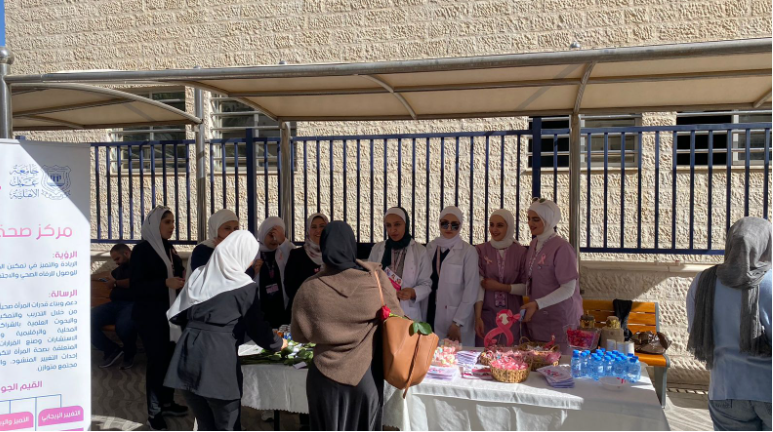
06Women’s Health Center Awareness Event – “Your Strength Begins with Awareness”

In collaboration with the Social Committee at the Faculty of Nursing and several NGOs, the Women’s Health Center organized an awareness event titled “Your Strength Begins with Awareness: Get Checked to Protect Yourself.” The initiative emphasized preventive healthcare, women’s empowerment, and community partnership, aligning with SDG 3 (Good Health), SDG 5 (Gender Equality), and SDG 17 (Partnerships).

Impact Evaluation & Development Plan

Performance Evaluation

  1. AAU demonstrates a strong and documented track record in building NGO partnerships that deliver measurable SDG outcomes. Its ecosystem of collaboration includes formal MoUs, health and community outreach programs, disability-services initiatives, and national awareness campaigns.
    • NGO Partnerships Supporting Social Inclusion & Health (SDG 3 & SDG 10)
    • Memorandum of Understanding with Al-Hussein Society for Training and Inclusion: Strengthened joint programs on disability support, inclusive education, and accessibility services. Students and faculty collaborated on assessments, awareness activities, and community-inclusion models aligned with SDG 10.
    • Nabd Club – Community Health and Well-Being Campaigns: Delivered large-scale health awareness initiatives on nutrition, physical activity, vital-sign monitoring, and youth wellness – promoting SDG 3.
    • Health-Sector NGO Engagement Led by the Faculty of Nursing (SDG 3)
    • World Alzheimer’s Day Participation: Faculty and students provided awareness sessions, caregiver education, and early-detection information, in collaboration with health NGOs and community health centers.
    • Clinical Workshop: Developmental Supportive Care for High-Risk Newborns: A joint clinical knowledge-exchange workshop with health-service NGOs addressing neonatal care and early developmental challenges.
    • Pink October Participation at Zai Health Center: Awareness campaigns delivered by the Women’s Health Center and the Faculty of Nursing, in cooperation with NGOs focusing on breast cancer education and prevention.
    • Women’s Health Center Campaign: “Your Strength Begins with Awareness”: A community outreach program promoting women’s health, early screening, and preventive care – co-organized with local NGOs and community partners.
    • Transparent Documentation & Impact Reporting All NGO-led and co-organized initiatives are documented through the AAU SDG Evidence System, which includes:
    • activity reports
    • photos and media coverage
    • participation statistics
    • pre- and post-awareness outcomes
    • indicator mapping to SDGs
    This systematic documentation ensures traceability, accountability, and alignment with THE Impact Ranking evidence requirements.

    Development Actions

  2. Action 1: NGO Partnership Acceleration Program Expand AAU’s formal cooperation with NGOs through structured sustainability projects. Target: 10 new MoUs signed annually; at least 5 major NGO-led community projects implemented per year. Action 2: SDG Co-Creation Labs Create interdisciplinary labs where AAU students, faculty, and NGO partners co-design solutions for climate action, health, inclusion, and youth development. Output: 3 operational labs by 2026; an annual SDG innovation challenge. Action 3: NGO Capacity-Building Workshops Train NGO teams in monitoring, evaluation, SDG reporting, and community-impact measurement. Target: 200 NGO participants trained annually; standardized templates for SDG project documentation. Action 4: Community Impact Monitoring Portal Develop an open digital platform for NGOs to upload project data, share evidence, and track joint SDG progress. Output: Live dashboard by 2027; 50+ NGO projects recorded. Action 5: Annual NGO–University SDG Forum Host a yearly regional event that brings together NGOs, academic experts, community organizations, and local authorities to share case studies and successful SDG models. Output: 1 annual forum; published proceedings and best-practice reports.

    Benchmarking & Best Practice

  3. Benchmarking Reference: AAU benchmarks its NGO partnership model against leading global institutions recognized for excellence in NGO collaboration and SDG impact, including:
    • University of Melbourne (Australia)
    • University of Pretoria (South Africa)
    • King’s College London (UK)
    These universities integrate NGO partnerships into their sustainability strategies, community-engagement frameworks, and SDG monitoring systems. Adopted Practices: AAU has adopted several global practices, including:
    • structured NGO engagement frameworks with clear responsibilities
    • joint monitoring and evidence-sharing mechanisms
    • impact reporting aligned with SDGs and global indicators
    • inclusive, community-centered program design
    • shared communication and open-access evidence platforms
    Localization to Jordan’s Priorities: AAU contextualizes global approaches by focusing on:
    • refugee inclusion and community mobility (SDG 10)
    • women’s health and empowerment (SDG 5)
    • non-communicable disease (NCD) awareness (SDG 3)
    • renewable-energy education with local NGOs (SDG 7)
    • community social services and humanitarian outreach
    This ensures relevance to Jordan’s national development agenda while maintaining international comparability. Future Goal (2028): Establish the AAU NGO Partnership and Impact Hub, a regional center connecting NGOs, universities, and policymakers to scale evidence-based SDG solutions, host regional best-practice exchanges, and publish annual NGO–SDG impact reports.

Contact Office On

  • Email: sdo@ammanu.edu.jo
  • Phone: +962 5 3500211
  • Extension: 2060
  • Address: Al-Ahliyya Amman University / Amman-Jordan- Al Salt Road / Zip-Code (Postal Address): (19328)
  • Fax: +962 6 5336104

Al-Ahliyya Amman University

Email: Public@ammanu.edu.jo


© Copyright Al-Ahliyya Amman University. Amman, Jordan 19111.