Contact Office On
Building Upgrades
Plans to upgrade existing campus buildings to higher energy-efficiency levels.
Introduction
Al-Ahliyya Amman University (AAU) is committed to upgrading all campus buildings to advanced energy-efficiency standards in line with SDG7 Affordable and Clean Energy. The University's upgrade plan integrates modern sustainability principles across construction, renovation, and facility-management processes. These upgrades focus on enhancing insulation quality, improving indoor air comfort, optimizing natural daylight use, upgrading HVAC systems to more efficient models, expanding smart-building automation, and preparing all facilities for seamless renewable-energy integration.
The upgrades are guided by AAU’s official Energy-Efficient Buildings Policy and related procedures, ensuring that all new developments and renovations are designed to minimize energy consumption, enhance building performance, and advance the University’s long-term sustainability vision.
Centers and Departments
02Engineering and Maintenance Department
03Computer Center
04Hourani Center for Applied Scientific Research (HCASR)
05Faculty of Architecture and Design
Activities
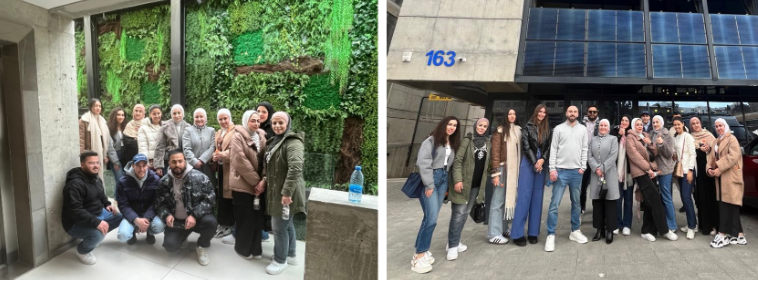
01Scientific Visit to the Green-Certified Ezzat Marji Building
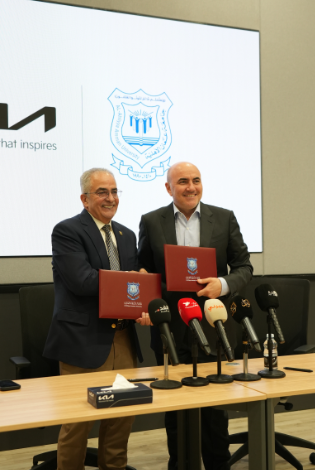
02MoU with KIA Jordan – Clean Mobility & Sustainable Infrastructure
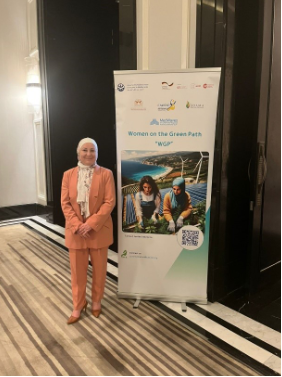
03Participation in “Women on the Green Path” Workshop
04Smart Building Implementation Program
05Campus-wide LED Lighting Upgrade Initiative
Impact Evaluation & Development Plan
Performance Evaluation
- Building upgrade processes at AAU are formally documented through approved building-efficiency policies and renovation procedures that ensure all improvements follow sustainable design principles.
- The University maintains a transparent framework for building development through publicly accessible policies, sustainability guidelines, and energy-efficiency standards.
- Upgrade mechanisms involve collaboration between engineers, architects, sustainability specialists, and administrative units to ensure that all perspectives are considered in campus improvement plans.
- Regular coordination meetings between the Engineering Department, Faculty of Architecture & Design, and the Sustainability Center ensure that academic knowledge informs operational decision-making.
- All building upgrades align with national construction codes, environmental regulations, and energy-efficiency expectations set by higher-education authorities.
Development Actions
- Action 1: Digitize the review and approval process for all renovation and upgrade requests to ensure transparency, traceability, and efficient workflow. Action 2: Publish an annual Energy-Efficient Building Upgrade Report summarizing improvements, implemented technologies, and sustainability achievements. Action 3: Provide specialized training workshops on sustainable architecture, green construction practices, and energy-efficient renovation methods for engineers, architects, and facility staff. Action 4: Develop a dedicated communication platform where faculty, students, and staff can propose upgrade ideas and submit feedback on building performance. Action 5: Introduce performance indicators to evaluate the effectiveness of building upgrades, focusing on indoor comfort, lighting quality, ventilation, and long-term operational efficiency.
Benchmarking & Best Practice
- Adopted Global Best Practices:
- Alignment with international sustainable-building guidelines such as LEED, ASHRAE, and UNEP frameworks for resource-efficient buildings.
- Adoption of global smart-building concepts including automation, natural lighting optimization, and environmentally responsive design.
- Compliance with national building and energy regulations issued by the Ministry of Public Works and Housing.
- Integration of local environmental considerations, climate conditions, and national clean-energy strategies into building-upgrade plans.