01Faculty of Architecture & Design
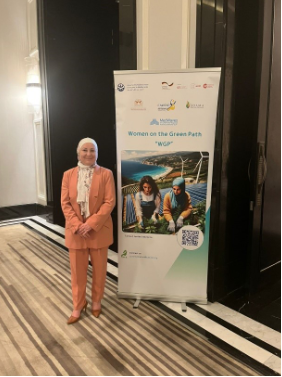
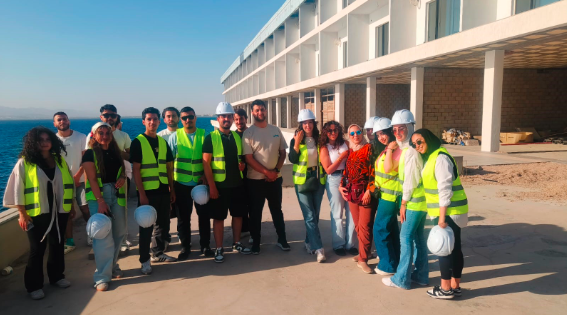
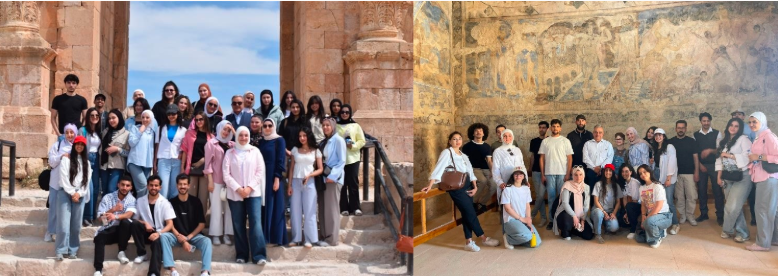
Provides technical expertise in urban planning, housing studies, walkability, spatial justice, and community design through participation in national committees and planning workshops.
Collaboration with local authorities to ensure equitable access to affordable housing and urban services.
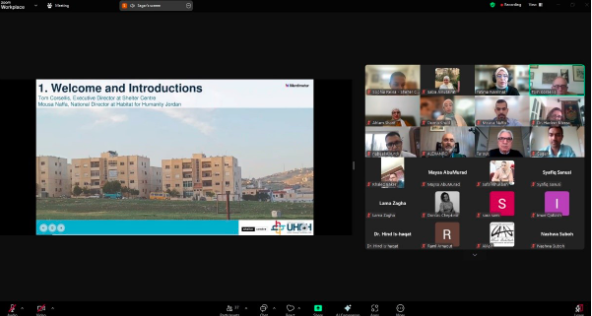
Al-Ahliyya Amman University (AAU) actively collaborates with local authorities, municipalities, national agencies, and community stakeholders to promote equitable, inclusive, and sustainable urban development. Aligned with SDG11, AAU contributes to improving access to affordable housing, public services, cultural spaces, and sustainable urban mobility by providing expertise, participating in advisory committees, supporting planning studies, and engaging in community-centered projects.
The university’s collaboration efforts ensure that urban planning in Jordan reflects: • equity and accessibility, • culturally appropriate housing, • safe and walkable public spaces, • sustainable land-use planning, • inclusive community engagement, • integration of green and public infrastructure.
These partnerships strengthen AAU’s role as a national leader in evidence-based urban development.
2. Annual Assessment Cycles
Yearly reviews assess: • number of collaborative planning projects, • committees and studies AAU participated in, • improvements to community access indicators, • student involvement in planning activities, • integration of research outcomes into municipal strategies.
# of urban planning collaborations annually, • # of municipal partners, • # of studies and workshops completed, • community accessibility improvements, • feedback from local authorities and stakeholders.
Planning collaboration supports: • urban design & planning courses, • student participation in real municipal challenges, • community-centered research, • sustainable housing and public-service planning modules.
All collaborations are included in: • AAU Sustainability Report 2024–2025 • SDG11 Executive Report • AAU Sustainability Portal
Formalize annual planning collaborations with local authorities in Salt, Amman, Jerash, and Mafraq. Target: +3 new collaborations annually.
Create a university-led hub for applied planning solutions, municipal support, and community engagement projects. Target: operational by 2026.
Publish annual policy briefs addressing housing affordability, urban services, and local planning needs. Target: 2025–2028 series.
Conduct joint design workshops to develop local public-space improvements and mobility plans. Target: 4 workshops per year.
Develop a digital platform for tracking local service accessibility, urban mobility, and community planning metrics. Target: platform public by 2027.
AAU benchmarks its planning collaboration with global institutions such as: • University of British Columbia – Community Planning Partnerships • University of Cambridge – Local Policy Impact Networks • University of Melbourne – Urban Research & City Partnerships • University of Gothenburg – Municipal Sustainability Integration
Best Practices Adopted: • community-centered urban planning • inclusive policy development • cross-sector collaboration • research-based municipal support • open-access planning outputs
Localized to Jordan’s Context: Aligned with: • Ministry of Municipal Affairs • Jordan National Housing Strategy • Jordanian urban development and zoning regulations • AAU Local Authority Collaboration Procedure
AAU’s collaboration with local authorities ensures equitable access to housing, effective public-service delivery, and sustainable community planning. Through active partnerships, applied research, and student engagement, AAU strengthens SDG11 implementation and contributes to shaping livable, inclusive, and resilient cities across Jordan.
Contact Office On

Al-Ahliyya Amman University